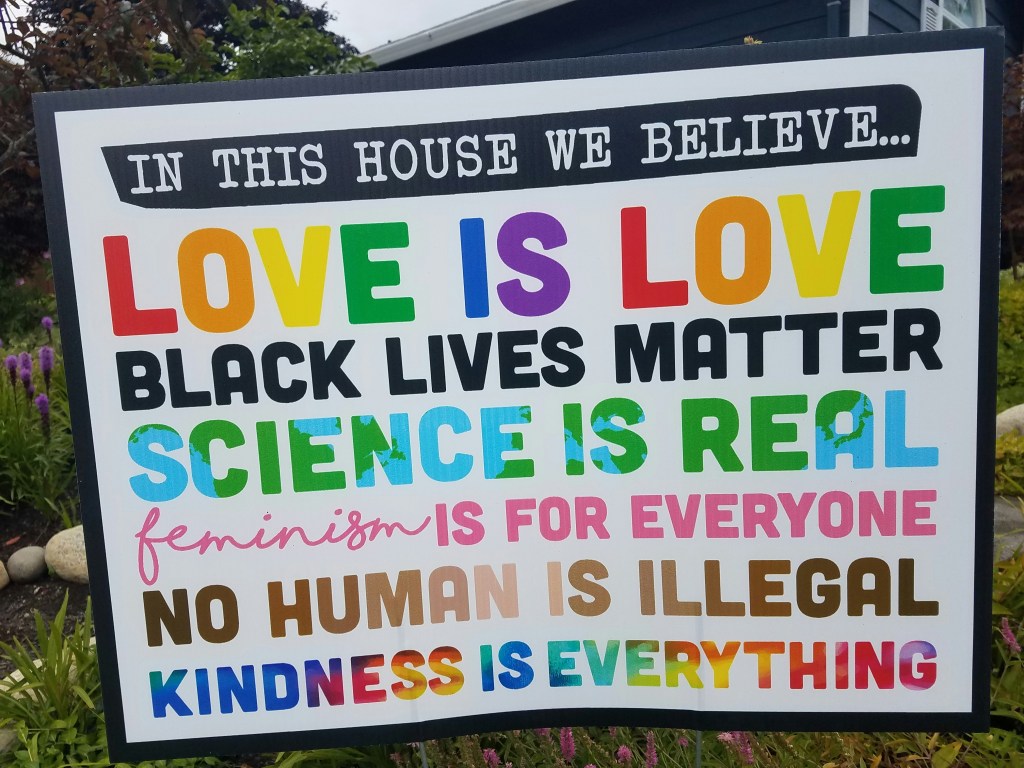
In a world full of complex moral choices and deep social divisions, the intersection of ethics and social justice invites us to ask: How does our faith shape the way we live in community?
Ethics is about more than knowing right from wrong—it’s about how we live out love, truth, and integrity in everyday decisions. Social justice takes that one step further: it asks us to look not just at personal choices, but at the systems we live in. Who is being left out? Who holds power? Who suffers, and why?
Faith isn’t just personal—it’s public. Jesus didn’t just retreat to pray in solitude (though he did that too); he spent much of his ministry feeding the hungry, healing the sick, challenging unjust laws, and breaking down the walls between insiders and outsiders. His message was profoundly ethical and radically just.
But it’s not always easy. Christians throughout history have wrestled with questions of wealth and poverty, war and peace, gender and sexuality, climate and creation, race and reconciliation. These aren’t just theoretical debates—they’re about people’s lives. They’re about our lives.
So how do we navigate these waters?
We begin with humility. Ethics and justice require deep listening—to Scripture, to our communities, and to the voices of those who’ve been ignored or silenced. We engage our minds and our hearts. We ask hard questions. And we act—not perfectly, but faithfully.
Faith doesn’t give us easy answers. But it gives us a compass: love God, and love your neighbour. And it invites us to live as if that love actually matters—in our homes, our workplaces, our policies, and our public witness.
As we explore ethics and social justice, may we be people of compassion, courage, and conviction—who not only believe the good news, but live it.
 Exploring Faith
Leave a comment